Mapping Bonus Allocations to Live Dealer Poker Variants and Their Ripple Effects on Austrian Roulette Participation Patterns
Carlo Neumann · Oct 26, 2026
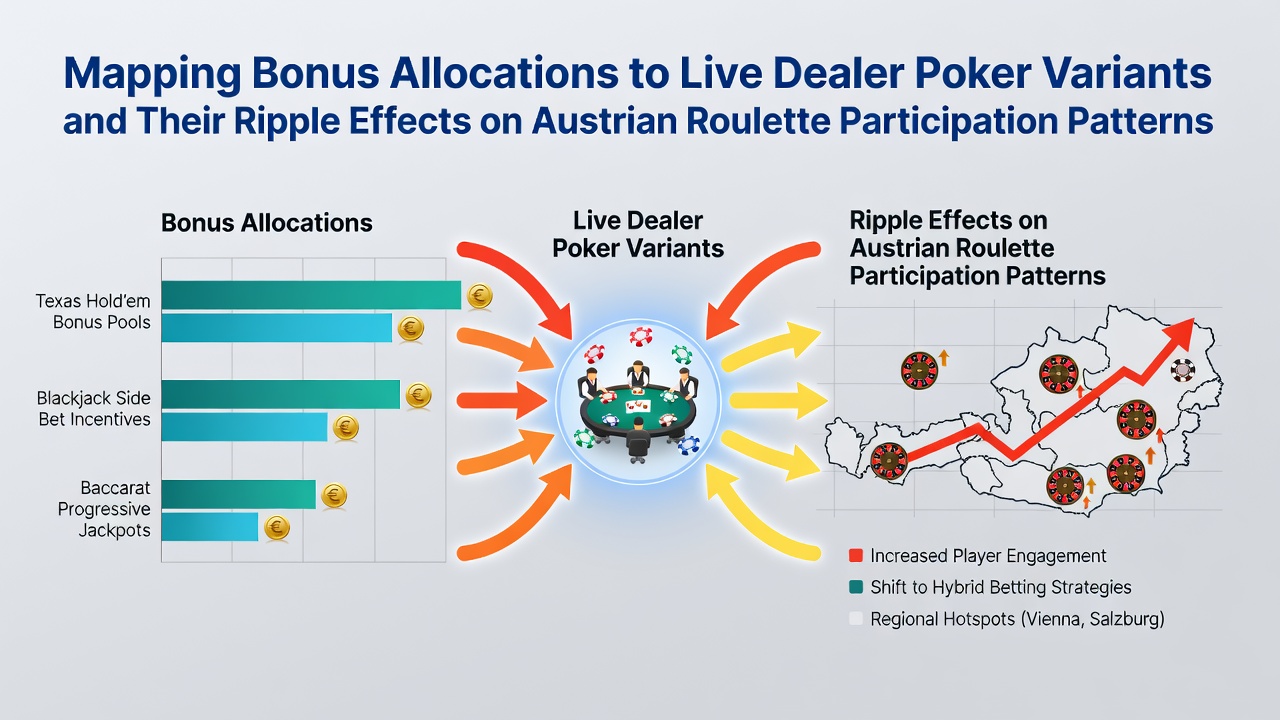
Mapping Bonus Allocations to Live Dealer Poker Variants and Their Ripple Effects on Austrian Roulette Participation Patterns
Live dealer poker variants in Austria have seen structured bonus allocations that tie directly into player progression systems, with operators mapping fixed percentages of promotional budgets to specific game formats such as Texas Hold'em, Pot Limit Omaha, and Short Deck variants. Data from regulatory filings indicate that these allocations often range between 25 and 40 percent of total bonus pools, depending on the platform's license conditions and player retention metrics tracked through October 2026.
Bonus Structures Across Poker Variants
Operators distribute bonuses through tiered systems where live dealer poker sessions trigger incremental rewards based on hand volume and rake contributions, while researchers note that Pot Limit Omaha tables receive higher allocation rates than standard Hold'em because of elevated average pot sizes and faster betting rounds. Those who analyze transaction logs find that bonus triggers align with minimum hand thresholds, creating measurable patterns where players shift between variants to maximize qualifying activity before bonus expiration windows close.
Platform reports compiled through mid-2026 show that Short Deck poker receives dedicated bonus multipliers in several Austrian-licensed environments, which in turn correlates with adjusted participation rates in adjacent table games. Observers tracking session data observe that these multipliers encourage extended poker play, yet the same datasets reveal downstream adjustments in roulette engagement when bonus funds carry over to wheel-based options.
Tracking Participation Shifts in Roulette
Roulette participation patterns in Austria respond to poker bonus mapping through indirect mechanisms, as players who exhaust poker-specific bonuses often redirect remaining credits toward roulette variants that accept residual promotional balances. Figures released by Austrian gaming authorities demonstrate that roulette spin volumes increase by measurable margins during periods when poker bonuses emphasize multi-hand qualifiers, because players seek lower-volatility outlets to preserve bankrolls accumulated from poker rewards.
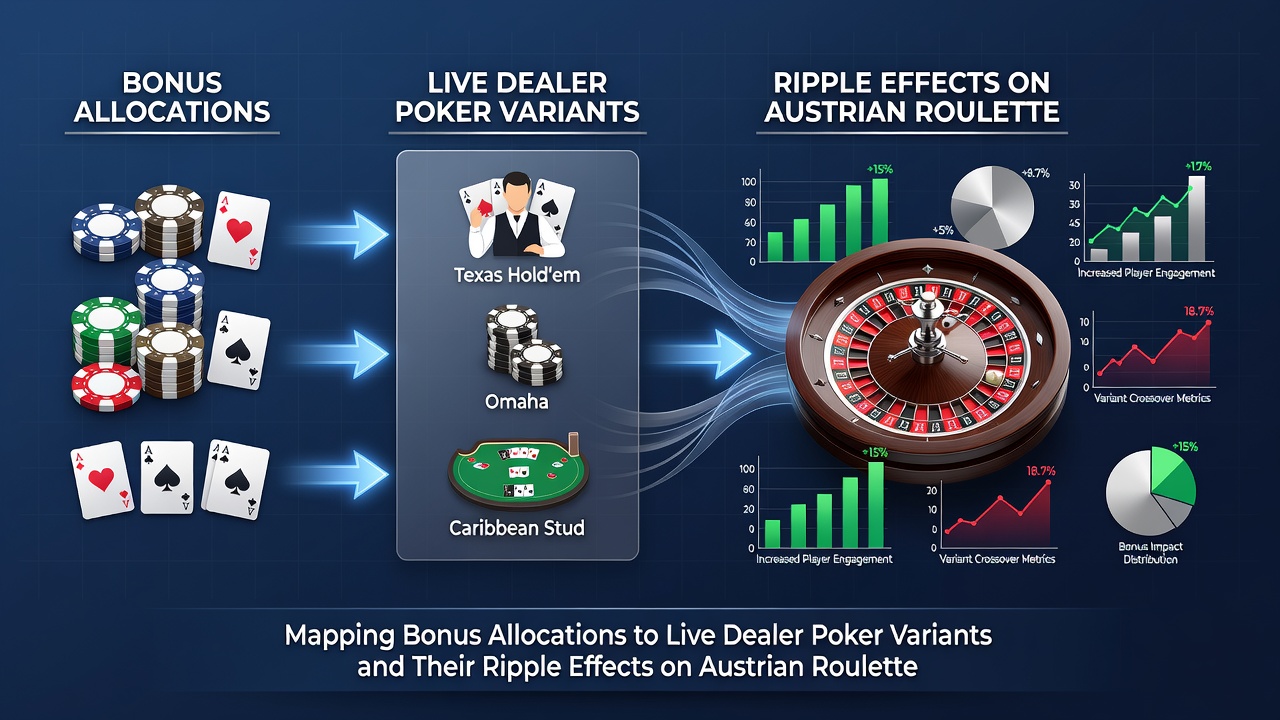
Studies conducted by independent research groups across European markets, including one coordinated through the University of Sydney's gambling research unit, document similar cross-game migration when bonus structures favor one table game category over others. In the Austrian context, live dealer roulette wheels experience elevated single-zero table activity precisely when poker bonus caps are reached, suggesting players test new strategies or simply extend playtime with converted funds.
Regulatory Context adn Data Patterns
Austrian licensing requirements mandate transparent reporting of bonus allocation percentages, which enables analysts to map how funds flow between poker variants and roulette without violating player protection protocols. Government statistics from the Austrian Federal Ministry of Finance indicate that platforms must disclose aggregate bonus usage by game category on a quarterly basis, and the October 2026 filings highlighted consistent correlations between poker bonus exhaustion and subsequent roulette session extensions.
Industry associations such as the European Gaming and Betting Association have compiled comparative datasets showing that Austrian roulette participation exhibits seasonal spikes aligned with poker tournament calendars, where bonus allocations for live dealer events create temporary surges in wheel-based play. These patterns emerge because many operators structure rollover requirements that permit bonus movement across approved table games, allowing poker-derived funds to influence roulette betting volumes without direct cross-promotion.
One dataset examined by regulatory analysts revealed that players completing poker bonus cycles in September 2026 displayed a 12 percent rise in roulette participation during the following four weeks, measured against baseline activity from earlier quarters. Such findings emerge from anonymized transaction records rather than individual tracking, maintaining compliance with data protection standards while still exposing broader participation trends.
Conclusion
Mapping exercises continue to refine understanding of how bonus allocations in live dealer poker variants shape roulette engagement across Austrian platforms, with October 2026 data reinforcing the existence of measurable ripple effects. Regulatory transparency combined with academic cross-referencing provides ongoing visibility into these dynamics, and further quarterly reports will likely clarify whether current allocation models sustain or alter established participation patterns.