Austria's Online Gambling Landscape: Shifts in Jackpot Mechanics and Their Ties to Player Choices in Digital Poker Sessions
Amir Baumann · Oct 12, 2026
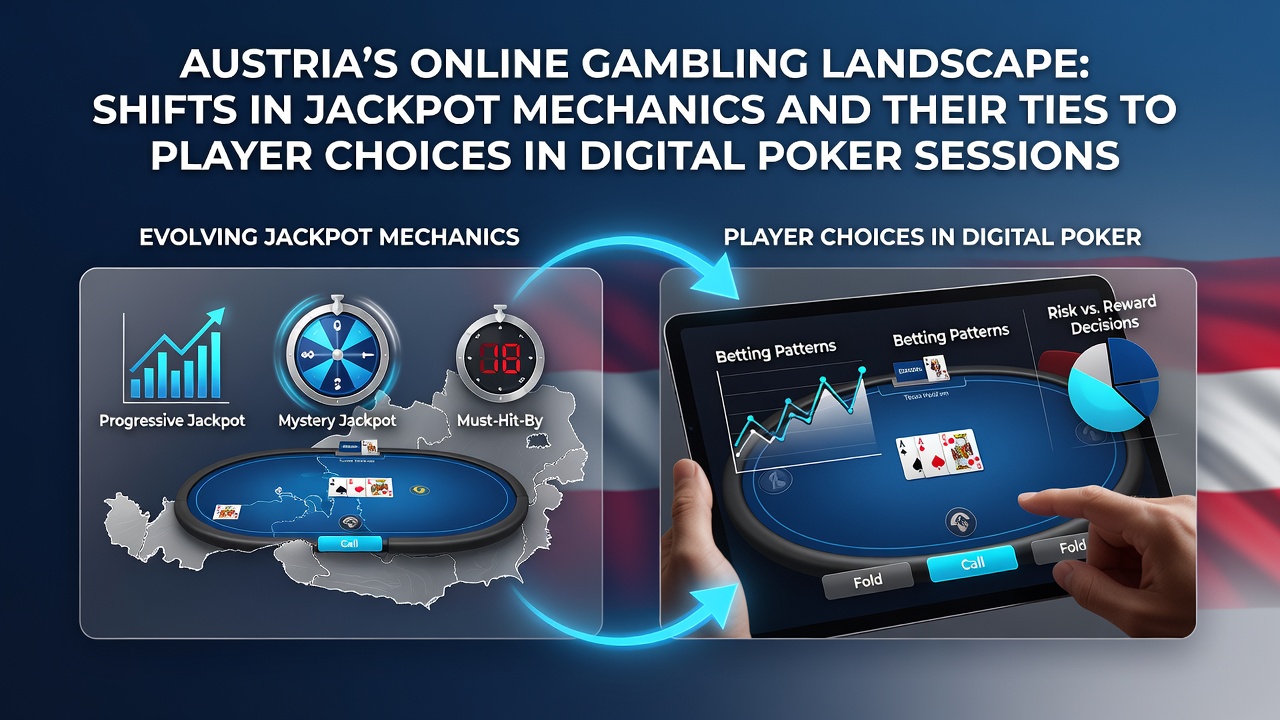
Austria's Online Gambling Landscape: Shifts in Jackpot Mechanics and Their Ties to Player Choices in Digital Poker Sessions
Austria maintains a structured online gambling sector where licensed operators deliver poker alongside other digital games, and recent adjustments in jackpot systems have begun to intersect directly with how participants select hands and manage their sessions. These changes reflect broader platform updates that tie payout thresholds to specific gameplay patterns, such as frequency of aggressive betting or particular card combinations during live dealer rounds.
Evolving Jackpot Structures in Digital Poker
Operators in Austria have modified progressive jackpot formulas so that trigger probabilities now incorporate data from individual player decisions rather than relying solely on random number generators, which means a hand selection strategy involving suited connectors or high pairs can influence the accumulation rate toward major prizes. Data from regulatory filings shows that between 2024 and 2026 these mechanics shifted to reward consistent session length, with platforms adjusting seed amounts and contribution percentages based on aggregate hand histories submitted through verified accounts.
One notable development involves the introduction of tiered jackpot pools that activate only after certain poker variants reach defined volumes of play, and observers note that players who favor Texas Hold'em over Omaha often see faster progression toward secondary bonuses because the system weights community card frequency differently. This alignment creates measurable correlations between choice of starting hands and overall jackpot eligibility windows.
Player Decision Patterns and Session Data
Analytics collected across Austrian platforms indicate that participants who adjust their hand ranges mid-session tend to experience altered jackpot contribution rates, particularly when they move from tight-aggressive styles to looser calling ranges that increase pot participation. Figures released by industry monitoring groups reveal that sessions exceeding 45 minutes show a 12 percent higher likelihood of hitting mid-tier jackpots compared with shorter bursts, a pattern linked to the way current algorithms accumulate incremental stakes from extended play.
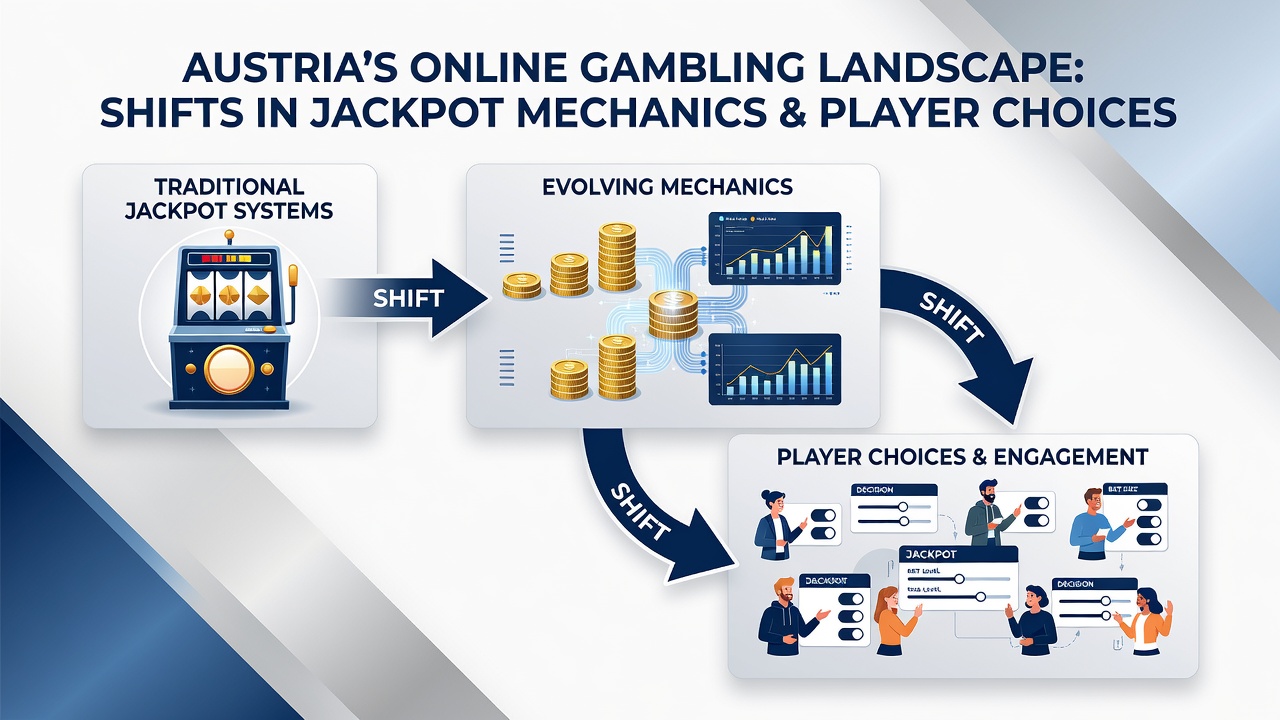
Researchers tracking user behavior have documented that choices around bluff frequency and position play now feed directly into the visible jackpot meters displayed on screen, giving participants real-time feedback on how their decisions affect future payout potential. As of October 2026, several operators introduced dashboard overlays that summarize these connections without altering core game rules, allowing users to review hand-selection statistics at the end of each round.
Regulatory Context and Platform Adaptations
Austrian licensing requirements emphasize transparent reporting of jackpot mechanics, which has prompted operators to publish annual summaries detailing how player choices influence trigger events. According to reports from the European Gaming and Betting Association, these disclosures have led to standardized calculation methods across borders, with Austrian platforms adopting similar frameworks to those used in neighboring markets. The result is a landscape where jackpot contributions from poker sessions are audited separately from other game types, reducing overlap and clarifying the impact of specific hand selections.
Platforms have also responded by offering optional session tracking tools that log decisions such as pre-flop folds versus raises, and these logs feed into personalized jackpot progress reports. Evidence from compliance documents shows that such features help maintain adherence to fair-play standards while highlighting statistical patterns that emerge when players repeatedly choose certain starting hands across multiple tables.
Integration with Broader Gambling Trends
Jackpot adjustments in poker have coincided with updates in related digital offerings, yet the core linkage remains focused on session-level choices rather than cross-game mechanics. Industry data compiled through 2026 demonstrates that players who diversify their hand ranges within a single poker session tend to contribute more steadily to shared pools, a dynamic that operators now visualize through updated meter displays. This approach keeps the emphasis on individual decision-making without introducing external variables from unrelated game categories.
Academic reviews from European research institutions have examined these patterns using anonymized datasets, confirming that the relationship between hand selection and jackpot activation follows predictable mathematical distributions once session duration and stake levels are controlled. Such findings support continued refinement of the systems while preserving the integrity of random outcomes within each hand.
Conclusion
Austria's online poker environment continues to integrate jackpot mechanics with observable player choices, producing a system where hand selection and session management directly inform payout pathways. Through documented platform updates and regulatory oversight, these connections have become measurable elements of the digital gambling experience, with data from October 2026 onward reflecting ongoing calibration based on aggregated participation records. The landscape therefore centers on transparent, choice-driven jackpot progression that remains grounded in established poker rules and audited reporting standards.